What to Look for in UV-Protective Clothing for Everyday Summer Wear
Introduction
Summer clothes need to do several things at once: stay comfortable in the heat, work through a changing day and cover skin when shade is hard to find. UV-protective clothing can help, but a label alone won’t tell you whether a garment is practical for everyday wear.
Look beyond the sun-protection claim. Consider the garment’s rating, fabric, fit and construction, and whether it offers coverage without making you too hot or restricting movement. Comfort matters: clothing left in the bag can’t protect you. Well-chosen UV-protective clothing should fit easily into the activities you already enjoy.
Rather than searching for one perfect item, consider how well each piece suits its purpose. The best choices combine verified protection with a comfortable fit and a design you’ll want to wear. Build sun protection outfits around your routine, adding layers and accessories where they offer useful coverage.
Different routines, different needs
Think of a summer wardrobe as a team of specialists. A lightweight overshirt might work well for commuting and errands, while a wide-brim hat or tightly woven trousers fill specific gaps. Each item should have a clear purpose; no single piece has to do everything. When choosing outdoor clothing, consider where you’ll be and how long you’ll spend in the sun.
If you walk between work, transit and outdoor stops, adaptable layers can be useful. A shirt worn open over a base layer offers flexible coverage. If you spend hours outside, consistent coverage at the sleeves and neckline may matter more than styling options. Your routine determines which trade-offs make sense. UV-protective clothing is most helpful when its coverage works for the movements and conditions of your day.
UPF clothing is most useful when you understand what the rating measures. UPF indicates how much ultraviolet radiation a fabric lets through. A UPF 50 garment transmits about one-fiftieth, or 2%, of UV radiation under test conditions. The rating applies to the tested material, not to uncovered skin or every condition in which you might wear it. Use the rating to compare UV-protective clothing, while also checking how the garment fits and feels.
Think of sun-protective clothing as part of a system, not a single-item solution. A shirt may cover your torso and arms but leave your neck, hands or lower legs exposed. Clothing reduces the amount of skin that needs other protection, but exposed areas still need appropriate sun protection. The right UV-protective clothing can make it easier to cover more skin without relying on one item to do everything.
Key factors
Check the rating. Look for a clear UPF figure and details about how the product was tested. Vague phrases such as “sun-ready” or “protective fabric” tell you less. A higher rating means less UV passes through the tested fabric, but it doesn’t guarantee the same protection across an entire outfit. A clear label helps you judge whether UV-protective clothing suits your intended use.
Check how much skin the garment covers. Sleeves, collars, hems and garment length affect coverage as you move. A low neckline, short sleeves or a hem that rides up when you reach or sit can leave skin exposed. Try the garment in the positions you expect to wear it. Think about fabric coverage across the areas most likely to be exposed.
Assess the fabric and construction. Weave, thickness and finishing all affect performance. A close, dense weave can offer useful coverage, while thin or loose material may let more light through. Stretching can open gaps in some fabrics, and wetness may affect protection depending on the material. Follow the garment’s care and use instructions.
Choose for heat as well as sun. Breathable clothing should let air circulate and manage moisture well enough to stay comfortable in warm weather. Lightweight fabric may feel cooler, but lightness alone doesn’t indicate strong UV protection. Consider breathability alongside the stated rating, weave and coverage. Breathable sunwear can help make protective layers more comfortable on hot days.
Find a comfortable fit. A tight garment may stretch across the shoulders, elbows or knees. One that’s too loose may shift and expose skin. Look for enough room to move without pulling, especially at seams and openings. Long sleeves can work well in summer if the fabric is light, the cut allows airflow and the cuffs stay in place. Summer long sleeves are a practical option when you want coverage without sacrificing comfort.
Consider durability and care. Washing, abrasion and regular wear can change a garment’s fit and feel. Follow the manufacturer’s instructions, and don’t assume protective finishes last indefinitely. Replace garments when the fabric becomes thin, damaged or stretched out. Choose pieces that can withstand regular use.
Consider the whole outfit. Combine pieces to avoid obvious gaps. A hat with a useful brim, sunglasses, a shirt that covers the shoulders and a suitable lower-body layer can work well together. The best combination depends on the day’s conditions and your comfort, not matching labels. These layers can turn UV-protective clothing into a flexible everyday system.
Putting it together: a day that changes by the hour
Imagine a warm weekday that starts with a walk to transit, continues indoors and ends with a grocery stop in the afternoon sun. A heavy, fully covered outfit may be uncomfortable all day. A short-sleeved top may feel fine indoors but leave your shoulders and arms exposed outside.
A breathable shirt with a verified UPF rating could be a better option. Choose one with adjustable sleeves that don’t expose your shoulders and a fit that works open or closed. Add a hat to cover exposed areas, and make sure the clothes are comfortable enough to keep on. The aim isn’t a perfect uniform, but convenient coverage when your day takes you outdoors. This is where versatile UV-protective clothing can earn a place in your regular wardrobe.
For a long stretch in strong sun, priorities change. Look for consistent coverage, secure hems and sleeves, and fewer gaps at the neck or wrists. If a garment gets soaked, stretched or uncomfortable, it may become less useful. A spare layer or a change of plans can matter as much as the original purchase.
Neither situation calls for a one-size-fits-all rule. Choose clothing based on your activities and likely sun exposure, not appearance alone. A garment that works for a quick errand may not be right for hours outdoors. Review your UV-protective clothing for the coverage and comfort each activity requires.
Conclusion
Good UV-protective clothing balances evidence with everyday comfort. Check the UPF rating, how much skin the garment covers, its fit and fabric, and whether it will stay comfortable through a typical summer day.
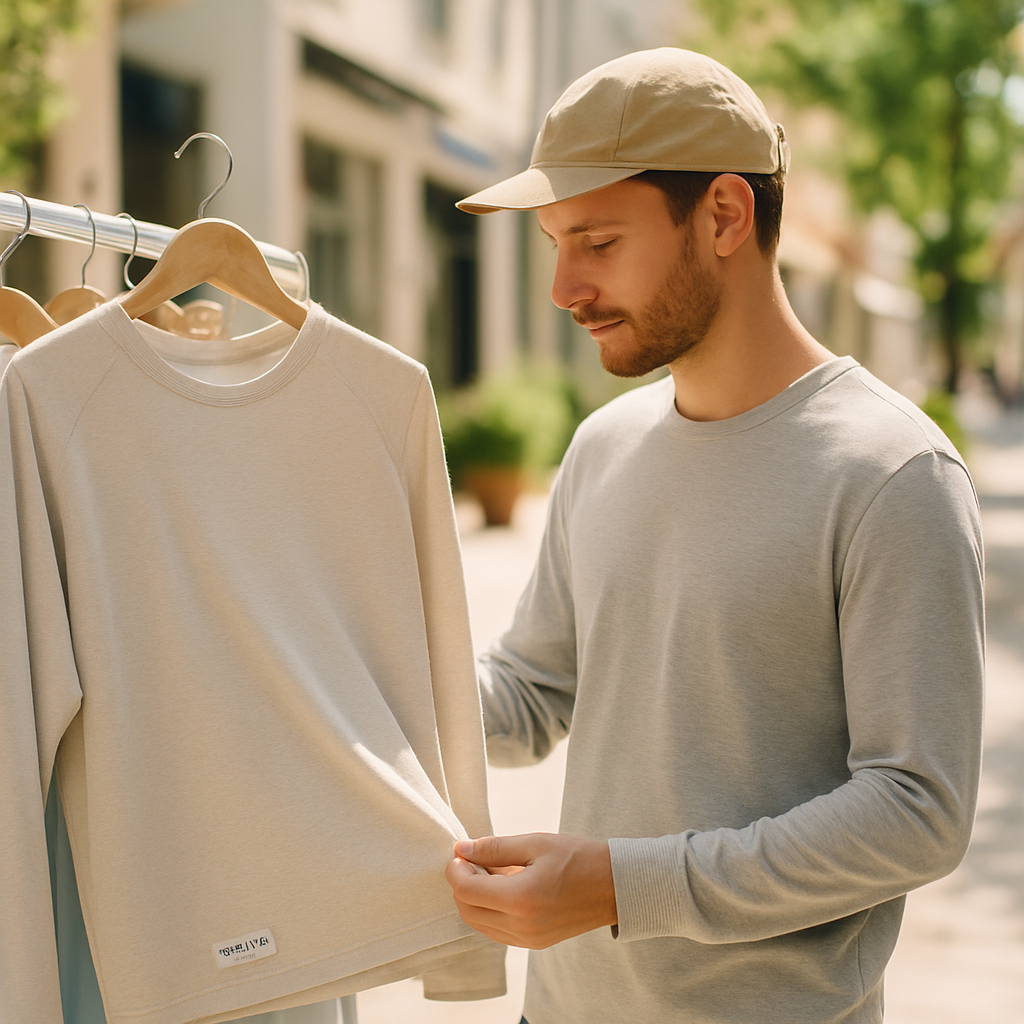
A rating is a useful starting point, not the whole answer. The best choice offers reliable coverage for its intended use and feels comfortable enough to become part of your routine. That’s what makes a protective label practical for everyday wear.